July is South Asian Heritage Month. It provides an opportunity to celebrate and commemorate the rich histories, cultures and contributions of South Asian communities across the UK. Beyond celebration, it also invites us to reflect on how we can create workplaces where everyone feels seen, valued and able to thrive.
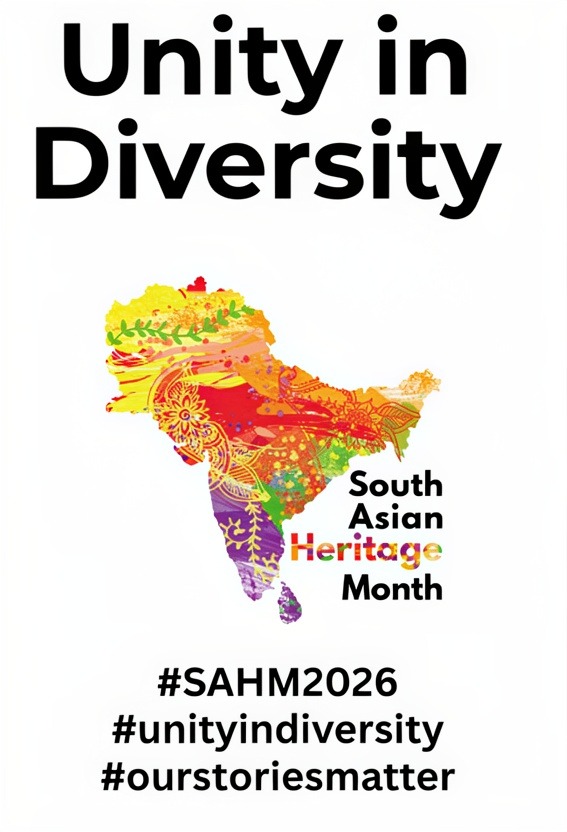
This year’s theme ‘Unity in Diversity’, recognises the extraordinary richness of South Asia. Home to eight countries, hundreds of languages, multiple faiths and countless traditions, South Asia is far from a single culture. It’s a tapestry of identities, experiences and histories that continue to shape the United Kingdom today.
More than a celebration
From technology, science and business, food and fashion to healthcare, literature and the arts, South Asian communities have influenced our modern world.
Representation isn’t just about recognising achievements during one month of the year, it’s about ensuring these contributions are acknowledged, respected and reflected in our organisations every day.
For employers, South Asian Heritage Month offers an opportunity to move beyond awareness and towards action. It encourages us to ask important questions:
- Do our colleagues feel comfortable bringing their whole selves to work?
- Are South Asian voices represented in leadership and decision-making?
- Do our policies and practices support people from diverse cultural and religious backgrounds?
- Are we creating spaces where people can share their experiences without feeling like they have to educate everyone else?
These questions are central to building truly inclusive workplaces.
Understanding the diversity within South Asian communities
One of the most common misconceptions is that ‘South Asian’ refers to a single, shared experience.
In reality, South Asia encompasses countries including India, Pakistan, Bangladesh, Sri Lanka, Nepal, Bhutan, the Maldives and Afghanistan. Within these nations are hundreds of languages, numerous faiths, different migration stories and unique cultural identities. Individuals may identify with multiple cultures, generations or nationalities simultaneously.
Recognising this diversity helps us avoid assumptions and reminds us that inclusion starts with curiosity rather than stereotypes.
Turning awareness into action
Meaningful inclusion isn’t achieved through a single awareness event or celebratory lunch. It comes from consistent, intentional action throughout the year.
Organisations can use South Asian Heritage Month as a catalyst by:
- Creating opportunities for colleagues to share their personal stories and experiences
- Inviting diverse speakers to discuss identity, belonging and inclusion
- Reviewing recruitment, progression and leadership data to identify barriers
- Recognising important cultural and religious observances throughout the year
- Encouraging managers to build cultural confidence through learning and open conversations.
Small, consistent actions often have the greatest long-term impact.
The power of belonging
Research consistently shows that when people feel they belong, they are more engaged, innovative and likely to stay with an organisation. Belonging doesn’t mean everyone has the same experience – it means everyone feels respected for who they are.
Celebrating heritage months helps create those moments of connection. They encourage conversations that might not otherwise happen, challenge assumptions and broaden our understanding of the colleagues and communities around us.
Looking beyond July
South Asian Heritage Month reminds us that diversity is something to celebrate but inclusion is something we practise.
The most inclusive organisations don’t simply acknowledge heritage months on their calendar. They use them as opportunities to listen, learn and make lasting improvements that benefit everyone.
At Inclusioneering, we believe inclusion is about creating workplaces where every individual can contribute, belong and succeed.
As we celebrate South Asian Heritage Month, let’s recognise the richness that diversity brings, honour the stories that shape our communities and continue building workplaces where everyone has the opportunity to thrive.
